yoga

Mental Health Meets Fitness: Why Mindful Movement Is Trending

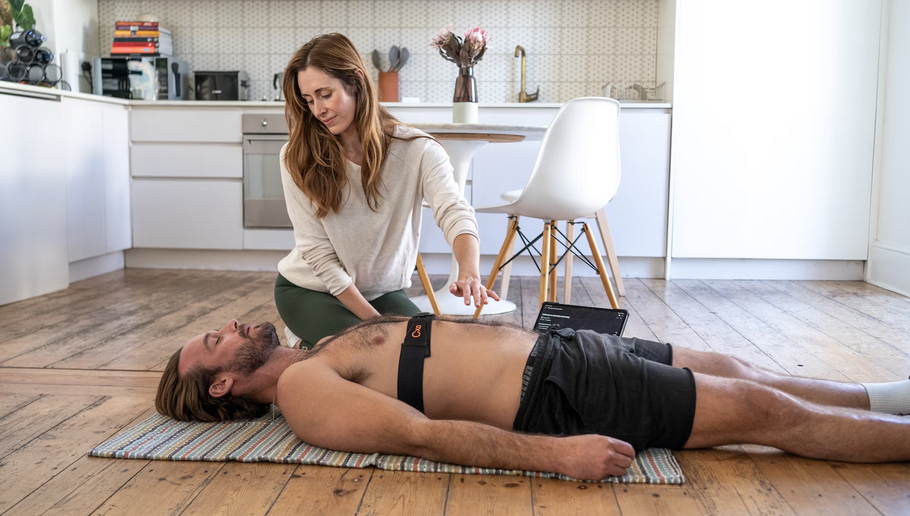
For years, workouts were all about the grind—burning calories, chasing six-packs, and hitting new PRs. But now, there’s a fresh wave rising. People are turning to mindful movement, where fitness meets mental clarity, and it’s catching serious momentum. Studies show exercise can help reduce anxiety and improve mood by boosting endorphins. Add mindfulness, and the impact grows. The blend creates workouts that feel grounding instead of exhausting.

The Shift From Intensity to Intention

man High-intensity workouts still have their place, but many are looking for something more balanced. Instead of crushing themselves at the gym, people are paying attention to how movement makes them feel. This is why yoga, Pilates, and even mindful walking are on the rise. Millennials and Gen Z in particular are driving the change. Burnout culture has made “slowing down” appealing. Movement is becoming less about punishment and more about connection. It’s proof that slowing down doesn’t mean slacking—it’s actually smarter training.

Why Mindfulness Works in Fitness

Mindfulness means being present. Pairing it with exercise shifts focus from reps and sweat to breath and awareness. That small shift can calm the nervous system and reduce stress hormones like cortisol. Harvard research suggests mindfulness practices can improve attention and emotional regulation. Mix that with consistent exercise, and the combo creates powerful results. It’s like training your brain and body at the same time. Think of it as swapping autopilot workouts for ones that actually sync your mind and body.

Accessible Moves Anyone Can Try

You don’t need fancy equipment to practice mindful movement. Start with simple breathing exercises before stretching or walking. Even paying attention to how your feet hit the ground can make an ordinary stroll more mindful. For those who like structure, guided yoga or tai chi are easy entry points. Both emphasize breath, posture, and calm awareness. These small shifts can turn everyday workouts into mood-boosting rituals. Even two mindful minutes can transform the way your body feels for the rest of the day.

Mindful Movement as Stress Relief

meditating

Traditional fitness often leaves people sore, tired, or even frustrated if progress feels slow. Mindful movement flips that script. The goal isn’t to crush, but to recharge. People are calling it a form of “active meditation.” It’s not about zoning out but tuning in. After a stressful day, moving with intention can feel like hitting a reset button for both body and mind. It’s less about grinding and more about finding peace through motion.

Why Gen Z and Millennials Love It

This isn’t just a fitness trend—it’s a cultural one. Younger generations value mental health more openly than past ones. A workout that doubles as stress relief? That’s a win-win. Apps, online classes, and fitness creators are making it easier to join in. The accessibility, combined with social media buzz, has made mindful movement a staple in wellness routines. And unlike fad workouts, this one feels sustainable. For many, mindful workouts feel less like a chore and more like self-care that sticks.

Mindful movement isn’t about slowing down progress. It’s about tuning in to yourself and creating workouts that actually feel good. For Gen Z and millennials balancing work, stress, and health, it’s no wonder this approach is trending—it’s fitness for the body and therapy for the mind.…

View More Mental Health Meets Fitness: Why Mindful Movement Is Trending

training

What You Need to Know About Taking a Personal Training Course in London

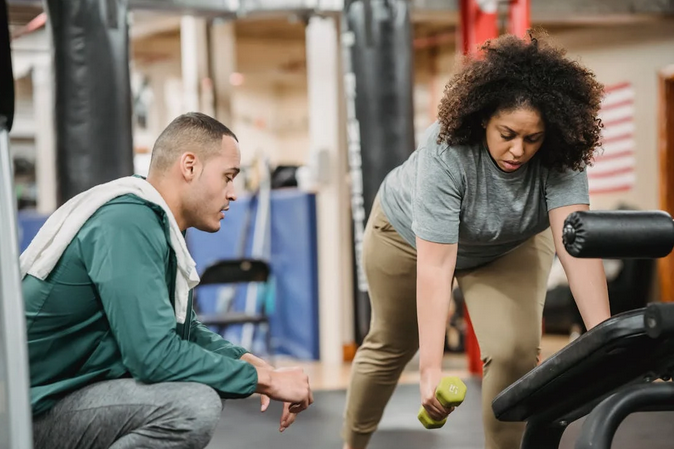
If you’re passionate about fitness and looking to become a certified personal trainer, London offers a range of courses tailored to equip you with the skills and knowledge to excel in this field. Taking courses provides access to diverse training styles, expert instructors, and the latest fitness techniques. However, there are essential factors to consider, including course structure, costs, and the certifications you’ll gain. Here’s what you need to know before starting your journey toward a rewarding career in personal training in London.

Understanding the Different Certification Levels

Personal training courses in London typically follow a standardized qualification path, with Level 2 and Level 3 certifications being the most common. The Level 2 Gym Instructor certification is a foundational course covering essential fitness and exercise principles, allowing you to work as a fitness instructor. However, to become a personal trainer, you’ll need a Level 3 Personal Trainer certification, which dives deeper into program design, client assessment, and advanced exercise techniques. Some courses also offer specialized Level 4 certifications for those interested in further expertise, such as training clients with health conditions.

Choosing the Right Training Provider

coach

Selecting the right training provider is key to receiving quality education. London offers several established training providers accredited by bodies such as CIMSPA or REPs. Reputable providers, like Premier Global NASM and YMCAfit, offer comprehensive courses with in-person and online learning options. When picking a provider, consider their reputation, course reviews, and how well they support scholars post-certification, such as through career services or job placement assistance.

Giving Course Structure and Learning Options

Personal training courses can be completed in various formats, from full-time to part-time and online-only options. Full-time courses are ideal if you want to get certified quickly, as they typically take 6 to 8 weeks to complete. Part-time courses, often held on weekends or evenings, are better suited for those with other commitments, allowing for a more flexible approach over several months. Many providers offer a hybrid model where you complete theoretical portions online and attend practical workshops in person, giving you both flexibility and hands-on experience. Consider your schedule and learning preferences when selecting the course format that works best for you.

Offering Tuition and Financing Options

costThe cost of personal training courses in London varies based on the provider, course level, and learning format. Level 2 courses range from £500 to £1,000, while Level 3 certifications can cost between £1,000 and £2,500. Combined courses, which include both Level 2 and Level 3, may offer discounts and typically range from £1,500 to £3,000. Many providers provide financing options, allowing you to pay in installments over a specified period. Some training companies may also partner with financing firms to offer low-interest loans or deferred payment plans, making managing course fees easier.

Job Prospects and Career Opportunities After Certification

Once you complete your certification, job prospects in London are strong, with a growing demand for skilled personal trainers in gyms, health clubs, and private studios. Many trainers also go on to build their own client base and offer one-on-one or small-group training sessions. Some courses include career support, such as job boards, interview preparation, and networking events, which can be invaluable for finding work.

A personal training course in London provides a pathway to a fulfilling career in fitness. London is an ideal location to begin this journey with various course formats, reputable providers, and abundant job opportunities. By understanding the course structure, choosing a reputable training provider, and considering your long-term goals, you can make the most of your training experience.…

View More What You Need to Know About Taking a Personal Training Course in London
wear

The Future of Fitness: Cutting-Edge Wearable Devices You Need to Know About

Welcome to the dawn of a new era in fitness! As technology continues to evolve at lightning speed, our approach to health and wellness is being revolutionized by innovative wearable devices that are not just smart but game-changers. Imagine tracking your workouts with pinpoint accuracy, receiving real-time feedback on your body’s performance, and even optimizing recovery like a pro athlete—all from the comfort of your wrist or pocket. In this post, we’ll dive into the most cutting-edge wearable devices set to transform how we move, monitor, and motivate ourselves on our fitness journeys.

Smartwatches

smartwatch

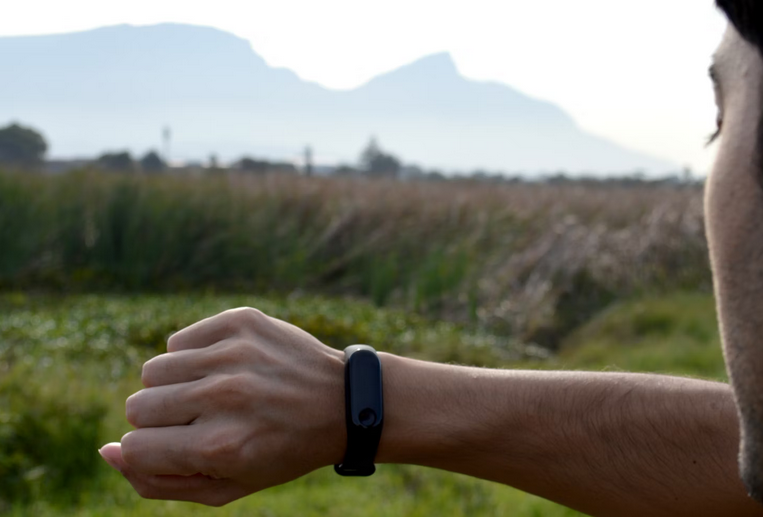
Smartwatches are no longer just stylish accessories; they’ve evolved into robust health and fitness tools. Brands like Apple, Fitbit, and Garmin have packed their latest models with features that go far beyond telling time. These devices now have heart rate monitors, ECG capabilities, and even blood oxygen level sensors.

For instance, the latest Apple Watch offers an ECG feature that can help detect irregular heart rhythms. This capability can be significant for those with pre-existing heart conditions or anyone looking to keep tabs on their cardiovascular health. Plus, many smartwatches now support various workouts, tracking everything from running and cycling to yoga and swimming, making monitoring your performance in real time easy.

Fitness Trackers

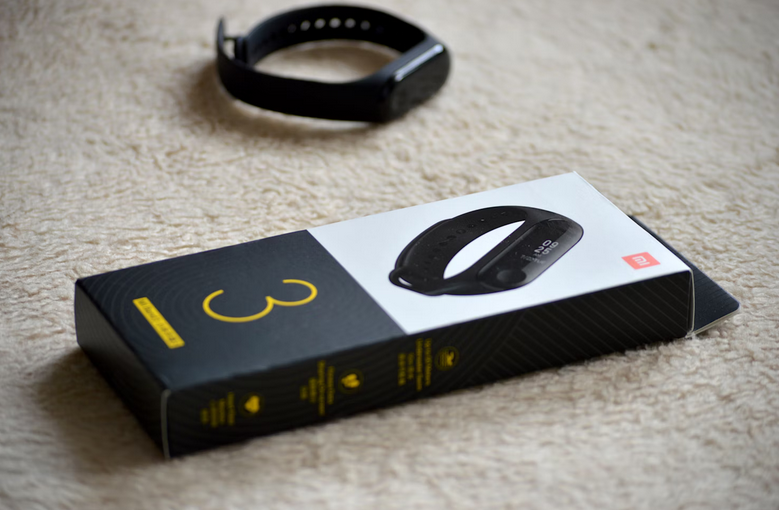
Fitness trackers continue to be a popular choice for those seeking a more straightforward approach to monitoring their activity levels. Brands like Fitbit and WHOOP offer sleek devices that focus primarily on tracking physical activity, sleep patterns, and calorie expenditure.

The latest fitness trackers have enhanced algorithms that provide personalized insights and recommendations. For example, WHOOP has made waves with its subscription-based model that analyzes your data to give you tailored recovery advice. By understanding how your body responds to workouts, you can make better decisions about when to push harder and when to rest.

Smart Clothing

clothing

If you think wearables are limited to watches and bands, think again! Smart clothing is emerging as an exciting frontier in health and fitness tech. Companies like Athos and Sensoria are leading the charge with shirts and shorts that contain embedded sensors to track muscle activity, heart rate, and more. These garments can provide real-time feedback on your form during workouts, which is invaluable for those looking to prevent injuries or improve performance. Imagine receiving alerts on your posture or movement patterns while you’re running or lifting weights—talk about a personal trainer right on your back.

Sleep Trackers

In our fast-paced world, sleep is often overlooked, but wearable tech is changing that. Devices like the Oura Ring and Fitbit Sense provide comprehensive sleep tracking, analyzing your sleep cycles and offering insights into how well you’re resting. The Oura Ring, for example, uses advanced sensors to measure heart rate variability, body temperature, and movement, giving you a detailed overview of your sleep quality. With this information, you can make necessary adjustments to your bedtime routine and lifestyle, ultimately improving your overall health.

Health Monitoring Beyond Fitness

Wearable tech isn’t just about tracking workouts; it’s also making significant strides in overall health monitoring. Continuous glucose monitors (CGMs) like those from Dexcom and Abbott are designed for individuals with diabetes but are also gaining popularity among fitness enthusiasts. These devices provide real-time glucose readings, allowing users to understand how food, exercise, and stress impact their blood sugar levels.

This kind of information can be incredibly empowering, enabling individuals to make better dietary and lifestyle choices. Moreover, some smartwatches now include menstrual cycle tracking features, helping users understand their cycles and overall reproductive health.

The Future of Wearable Tech

wearables

As technology continues to advance, the future of wearable tech looks incredibly promising. We can expect even more integration with artificial intelligence, providing deeper insights and personalized recommendations. Imagine a device that tracks your health metrics and predicts potential health issues before they arise. Moreover, with the growing emphasis on mental health, we may see more wearables incorporating features to monitor stress levels and mindfulness, helping users manage their mental well-being.

Wearable tech is transforming the health and fitness landscape, offering innovative solutions that empower individuals to take charge of their well-being. Whether you’re looking to track your workouts, monitor your sleep, or gain insights into your overall health, a wearable device exists for you. As technology evolves, we can expect even more exciting innovations in the coming years, making it easier to prioritize your health and fitness journey. So, if you haven’t yet, it might be time to strap on a device and see how wearable tech can elevate your wellness game.…

View More The Future of Fitness: Cutting-Edge Wearable Devices You Need to Know About